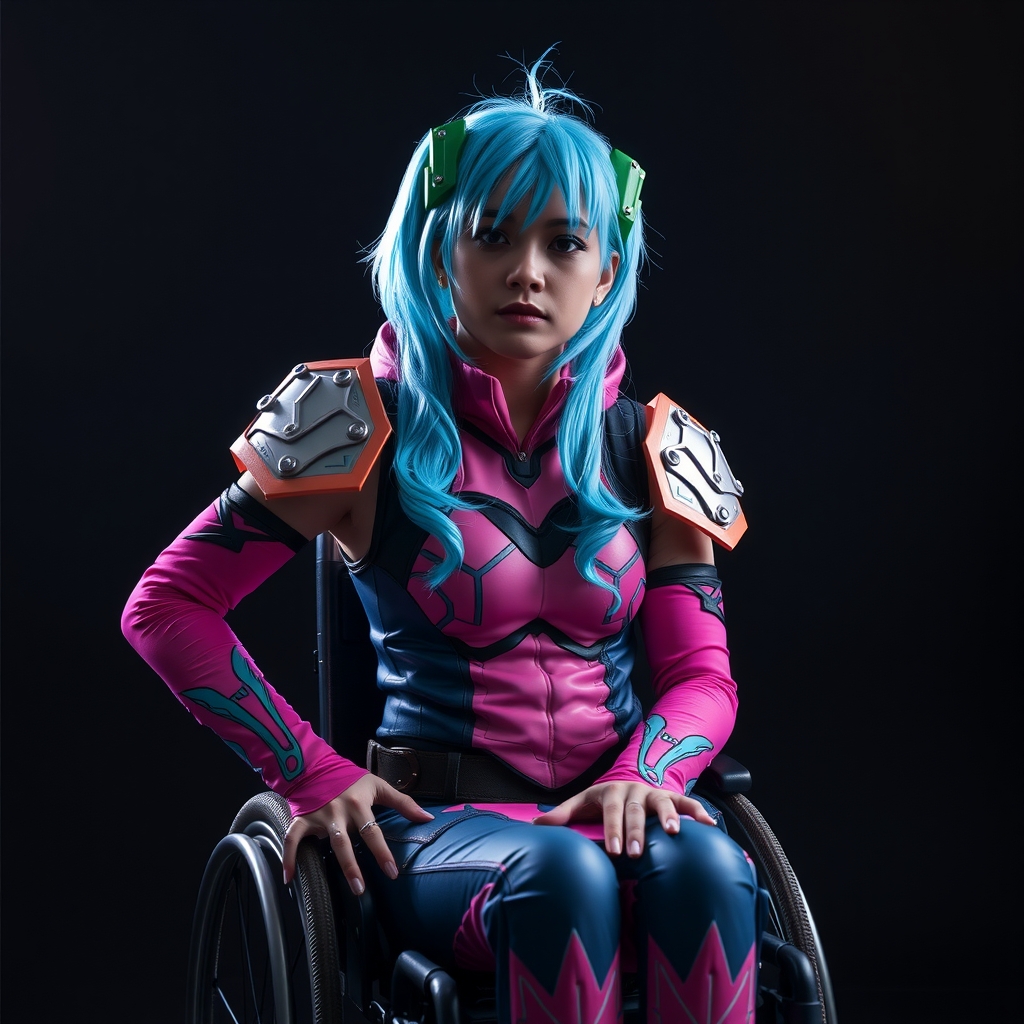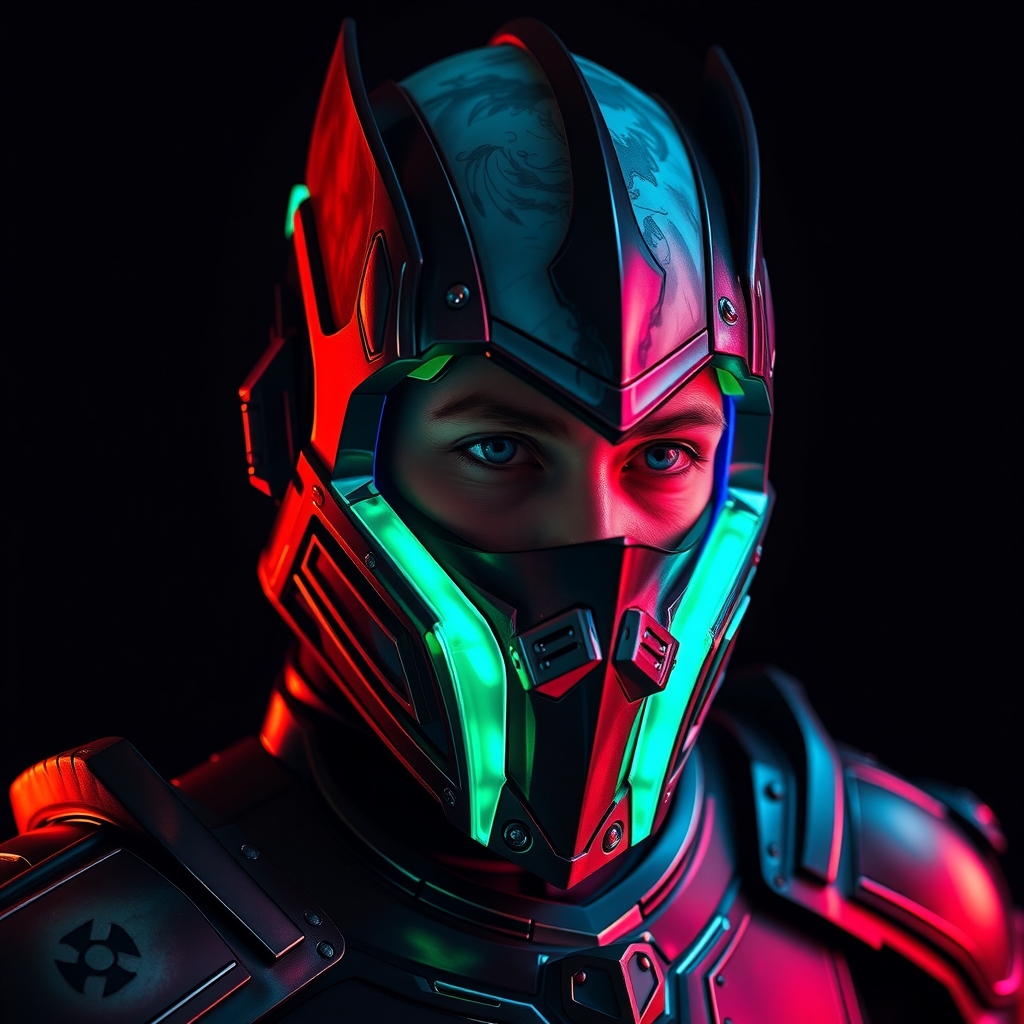
Transitioning from a passionate cosplayer to a paid convention guest requires a shift in mindset. While social media followers provide a measure of popularity, convention organizers look for professional reliability, versatility, and a proven track record of craftsmanship. A social media feed is a stream of consciousness; a professional portfolio is a curated gallery designed to sell your value as an attraction.
The Purpose of a Professional Portfolio
When a convention coordinator reviews guest applications, they are looking for a specific set of criteria: Can this person draw a crowd? Do they represent the quality of the event? Are they versatile enough to appeal to different fandoms? Most importantly, can they deliver a polished product consistently?
A professional portfolio differs from an Instagram profile because it removes the noise. It strips away the daily updates, personal stories, and low-resolution snapshots, leaving only the highest quality evidence of your skill. Your goal is to prove that you are a professional asset who can handle panels, photo ops, and public appearances with grace and technical excellence.
Curating Your Best Work
The most common mistake cosplayers make is including too much. Including every costume you have ever made suggests a lack of discernment. To build a high-impact portfolio, you must be your own harshest critic.
Selecting the "Hero" Pieces
Choose five to eight costumes that represent the pinnacle of your skill. These should be categorized by the specific strengths they demonstrate. For example:
- The Technical Masterpiece: A build that showcases complex engineering, electronics, or intricate tailoring.
- The Crowd Pleaser: A highly recognizable character from a mainstream franchise that proves your ability to attract a general audience.
- The Artistic Interpretation: A piece that shows your ability to translate 2D art into 3D reality with high fidelity.
- The Versatility Piece: A costume that differs significantly in style or medium from your other works.
Prioritizing Image Quality
Poor photography can make a masterpiece look amateur. For a professional application, avoid "selfies" or photos taken against cluttered backgrounds. Prioritize images that feature:
- Clean Backgrounds: Use studio shots or edited backgrounds that do not distract from the costume.
- Dynamic Posing: Show the character's personality and the costume's movement.
- Detail Shots: Include close-ups of stitching, prop painting, or makeup to prove the quality of your craftsmanship.
Structuring the Portfolio Layout
Organizers often have hundreds of applications to review. If they cannot find your best work within thirty seconds, they may move on. Structure your portfolio for maximum readability.
The Introduction and Bio
Start with a professional headshot and a concise biography. Avoid overly casual language. Instead of saying "I love dressing up," focus on your experience. Mention how many years you have been crafting, the specific mediums you specialize in (such as EVA foam, Worbla, or leatherwork), and any previous experience you have with public speaking or judging.
The Gallery Organization
Organize your work in a way that tells a story of competence. A recommended flow includes:
- The Highlight Reel: A single page or slide featuring your top three most impressive looks.
- Detailed Project Breakdowns: For each major costume, provide a brief description of the materials used and the challenges overcome. This proves you are a maker, not just a buyer.
- Range Showcase: A grid of secondary costumes to demonstrate your breadth of experience.
- Public Interaction: Photos of you interacting with fans, speaking on a panel, or judging a contest. This proves you are comfortable in the "Guest" role.
Demonstrating Professional Value
Being a guest is not just about the costume; it is about the service you provide to the convention. Your portfolio should explicitly state what you can offer the event organizers.
Defining Your Offerings
Clearly list the types of appearances you are available for. This makes the organizer's job easier by showing exactly where you fit into their schedule. Consider including:
- Workshops: Specific topics you can teach, such as "Introduction to Foam Smithing" or "Advanced Wig Styling."
- Judging: Your ability to provide constructive, fair feedback for masquerades or craftsmanship contests.
- Q&A Panels: Your willingness to share your process and engage with the community.
- Photo Ops: Your ability to maintain a character and pose for high volumes of guests.
The Professional Kit
Mention that you have a "con-ready" kit. Professional guests are expected to be self-sufficient. Briefly noting that you bring your own repair kits, backup parts, and grooming tools signals to the organizer that you will not be a liability during the event.
Technical Delivery and Presentation
The medium of your portfolio is as important as the content. A messy PDF or a broken link can lead to an immediate rejection.
Choosing the Right Format
Depending on the application requirements, use one of these three formats:
- The PDF Deck: A polished, non-editable document. This is ideal for email attachments as it preserves your layout exactly as intended.
- The Dedicated Website: A clean, ad-free portfolio site. This allows you to host high-resolution galleries and a contact form.
- The Digital Lookbook: A curated landing page that links to specific galleries.
Final Polish Checklist
Before submitting your application, perform a final audit of your materials:
- Check all links: Ensure every link opens in a new tab and leads to the correct page.
- Proofread: Spelling errors in a professional application suggest a lack of attention to detail—a trait that is detrimental to high-end crafting.
- File Size: Ensure your PDF is compressed for email but retains image clarity. Large files that clog an inbox are rarely appreciated.
- Contact Information: Ensure your professional email and social handles are clearly visible on every page.