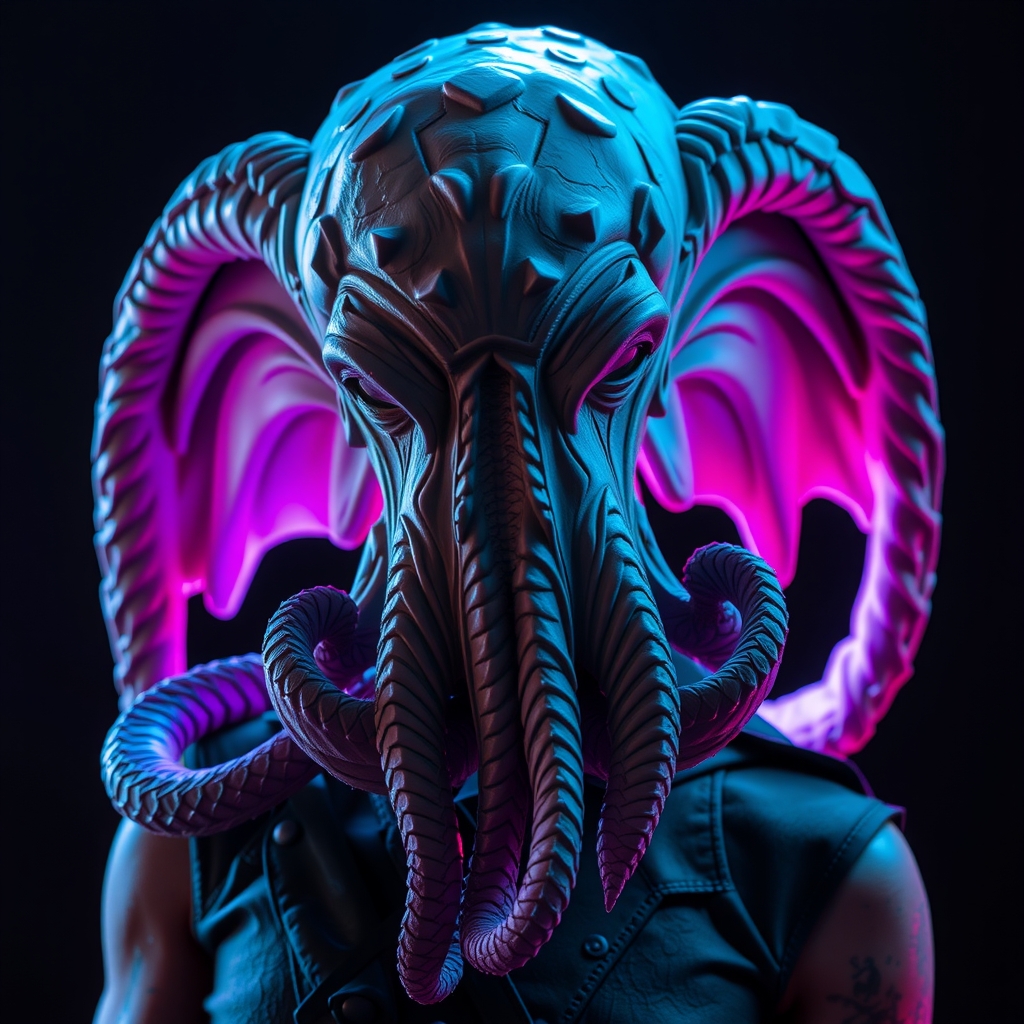
Bringing a Lovecraftian entity like Cthulhu to life presents a unique challenge for the cosplayer: how do you translate an "indescribable" cosmic horror into a physical garment? Unlike the sharp lines of armor or the clean drape of a gown, Cthulhu requires organic, asymmetrical, and slime-coated textures. While high-end silicone and foam are popular, papier-mâché remains one of the most accessible and effective mediums for creating large-scale, lightweight, and highly textured organic shapes.
Building the Skeletal Foundation
Before applying a single strip of paper, you must establish a structural armature. Because Cthulhu involves heavy elements—such as a massive head, protruding tentacles, and wing structures—the internal support must be rigid enough to hold the weight but flexible enough to move with the wearer.
For the head and facial structure, use heavy-gauge aluminum wire or PVC piping. Wire is preferable for tentacles as it allows you to pose the limbs after they have dried. For the larger bulk of the torso or wings, corrugated cardboard serves as an excellent base. To create the rounded, bulbous shapes characteristic of deep-sea creatures, wrap your armature in crumpled newspaper or aluminum foil, securing it with masking tape. This "rough-in" phase is where you define the silhouette; don't worry about detail yet, focus on the volume and the general anatomy of the creature.
The Art of the Layered Pulp
The secret to a professional papier-mâché finish is avoiding the "lumpy" look associated with school projects. To achieve a skin-like quality, you should utilize two different methods of application: strips for structural strength and pulp for organic detailing.
Structural Strips
Begin by applying thin strips of newspaper dipped in a mixture of flour and water or diluted white glue. Apply these in alternating directions to create a cross-weave effect, which significantly increases the strength of the piece. Ensure each layer is relatively smooth, smoothing out air bubbles with your fingers as you go. Three to four layers are typically sufficient for a sturdy shell.
Textural Pulp
To create the visceral, uneven skin of a cosmic entity, transition to paper pulp. Shred scrap paper into tiny pieces and soak them in water until they break down. Blend this mixture with a small amount of glue and joint compound to create a thick, clay-like paste. Apply this pulp over your structural layers using a palette knife or your fingers. This allows you to sculpt "warts," ridges, and the undulating folds of skin found around the neck and jawline of the creature.
Refining the Surface and Sealing
Once the piece is completely dry—which may take several days depending on the thickness of the pulp—you must prepare the surface for paint. Raw papier-mâché is porous and will soak up acrylic paint, leading to a dull finish and wasted materials.
Start by sanding down any unintentional sharp edges with fine-grit sandpaper. Once the surface is smoothed to your liking, apply a layer of gesso or a matte white primer. This creates a uniform base and seals the paper, ensuring that your colors remain vibrant. If you are creating a costume that will be worn in high-movement areas, consider applying a thin layer of Mod Podge or a clear acrylic sealant over the primer to prevent the paper from cracking during movement.
Painting for Cosmic Horror
Painting a Lovecraftian creature is less about choosing a single color and more about creating depth through layering. Cthulhu is often depicted in shades of deep green, obsidian, and bruised purple. To achieve a realistic, organic look, avoid flat colors.
The Base and Underpainting
Apply a dark base coat, such as a deep forest green or navy blue. While the base is still slightly tacky, use a technique called "wet blending" to introduce secondary colors. Dab in hints of purple or grey in the recessed areas of the sculpt—such as the folds of the tentacles or the sockets of the eyes—to create an immediate sense of depth.
Dry Brushing for Texture
To make the organic textures pop, use the dry brushing technique. Dip a stiff-bristled brush into a lighter shade (such as a pale lime green or a sandy beige), wipe almost all the paint off onto a paper towel, and lightly flick the brush across the raised surfaces of the sculpt. This highlights the ridges and "warts" you created with the pulp, giving the creature a weathered, ancient appearance.
Achieving the "Slime" Effect
A cosmic entity from the depths of the ocean should never look dry. The final step is adding a wet, mucosal sheen to the costume. This is where the difference between a "paper costume" and a "creature costume" becomes apparent.
For a permanent wet look, use a high-gloss clear acrylic varnish. Apply this selectively: use a heavy coat on the eyes, the inside of the mouth, and the tips of the tentacles, while leaving the rest of the skin in a satin or matte finish. This contrast in textures mimics the way biological organisms secrete mucus. For a more extreme effect, you can mix clear gloss medium with a tiny drop of green or yellow ink to create "drips" that appear to be oozing down the creature's face.
Maintenance and Wearability
Because papier-mâché is essentially paper and glue, it is susceptible to moisture. If you are wearing your Cthulhu cosplay to an outdoor event, it is vital to seal the entire piece with a water-resistant clear coat spray. This prevents humidity from softening the structure.
To ensure the costume is wearable, integrate a comfortable harness system. Since the head and tentacles can be front-heavy, use a combination of wide elastic straps and a padded shoulder harness to distribute the weight across your torso rather than letting it all rest on your neck. This allows you to maintain the imposing presence of the Great Old One without sacrificing your physical comfort throughout the day.