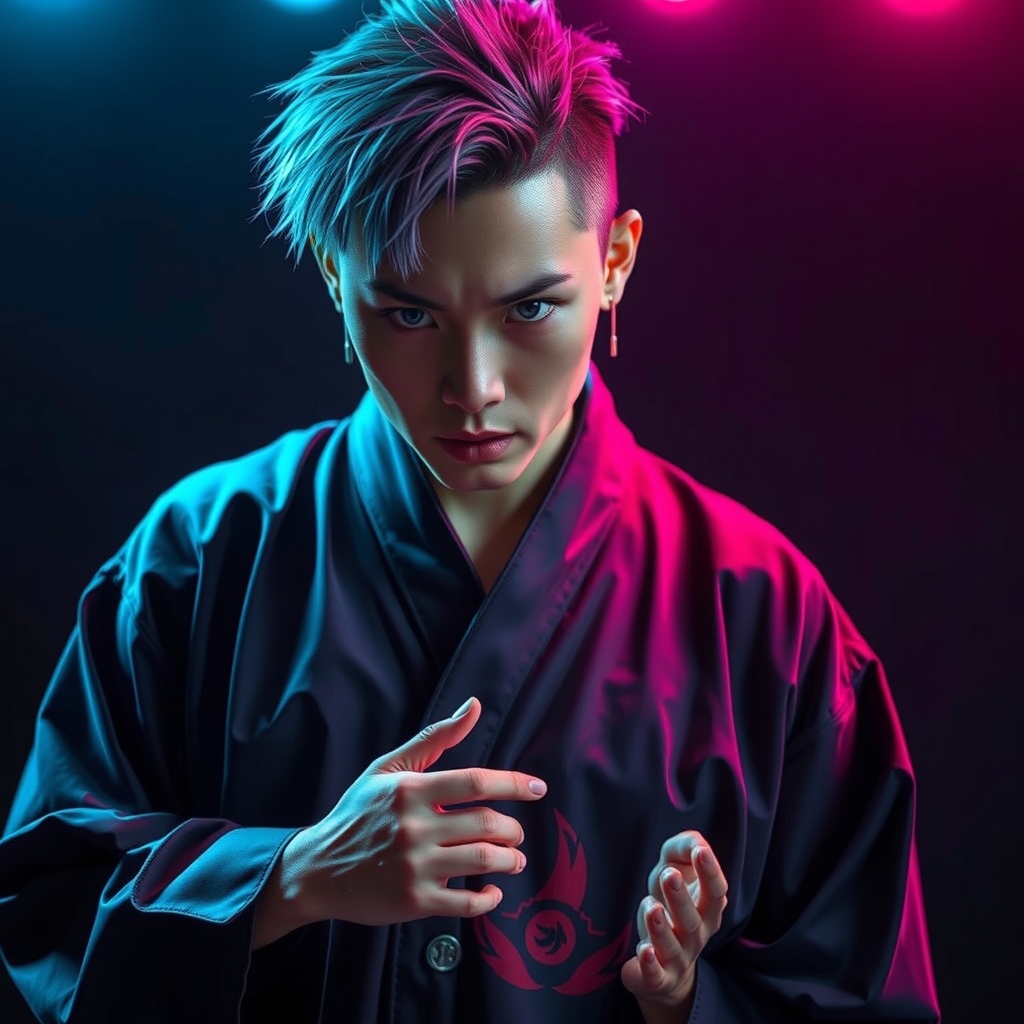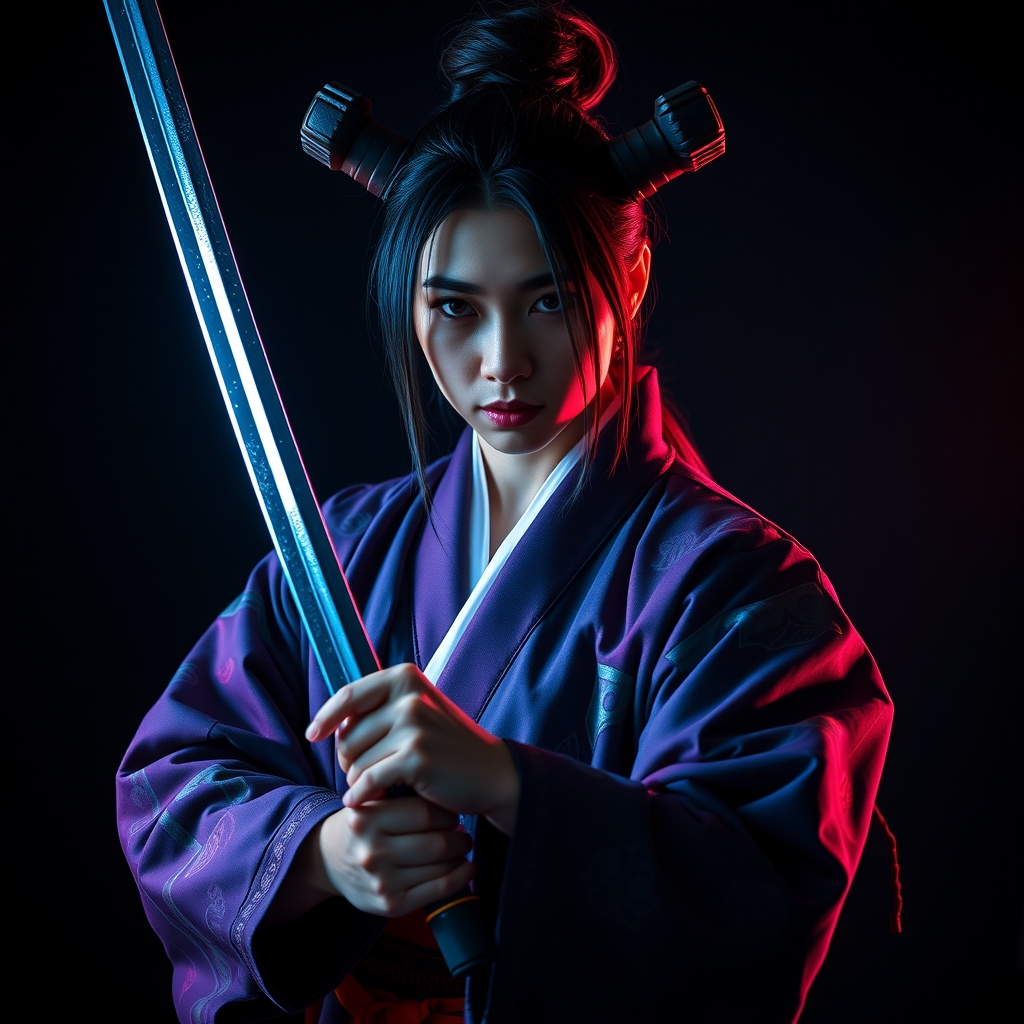
The visual appeal of Demon Slayer lies in the striking contrast between traditional Japanese attire and the dynamic, stylized movement of the characters. While many cosplayers rely on pre-made polyester sets, the difference between a costume and a garment is found in the fabric choice and the structural integrity of the build. To achieve a "screen-accurate" look, one must look beyond the surface colors and examine the weight, drape, and weave of traditional Japanese textiles.
Selecting the Right Fabric for Haoris and Kimonos
The most iconic element of a Demon Slayer outfit is the haori—the hip-length open jacket. In the series, these garments often feature bold geometric patterns or gradients. To replicate this realistically, avoid shiny, thin satins which often look synthetic under convention lighting. Instead, focus on fabrics that mimic traditional Japanese weaves.
Cotton and Linen Blends
For a grounded, historical look, a heavy cotton or a cotton-linen blend is ideal. These fabrics provide the necessary structure to hold the shape of the sleeves without collapsing. They are breathable, making them a practical choice for long convention days, and they take fabric dyes more evenly if you are creating a custom gradient effect.
Silk and Synthetic Silk Alternatives
For characters with a more refined or supernatural aesthetic, a matte silk or a high-quality crepe can be used. If genuine silk is outside your budget, look for "bridal satin" with a matte finish or a heavy-weight polyester crepe. The goal is to find a fabric that has a "heavy drape," meaning it hangs straight down from the shoulders rather than clinging to the body.
The Importance of Grainlines
When cutting your fabric, pay close attention to the grainline. Traditional kimono construction relies on straight lines and right angles. If your fabric is off-grain, the haori will twist around your body as you walk, ruining the silhouette. Always square your fabric before cutting your panels.
Mastering the Silhouette: Construction Techniques
A common mistake in anime cosplay is treating the garment like a modern cardigan. A haori is a structured piece of clothing with specific proportions. To achieve the correct look, you must focus on the sleeve and the shoulder drop.
The Square Sleeve
Demon Slayer sleeves are wide and rectangular. To prevent them from looking like oversized pajamas, ensure the seam where the sleeve meets the body is reinforced. Use a French seam—a technique where the raw edges are encased inside a second seam—to provide strength and a clean finish on the inside. This is especially important for characters who use wide arm movements during posing.
Hemming for Weight
To get that crisp, flat bottom edge seen in the anime, consider adding a horsehair braid or a heavy interfacing to the hem of the haori. This adds a subtle weight to the bottom of the garment, ensuring it stays open and flares slightly during movement rather than bunching up.
Integrating Traditional Patterns and Textures
Many Demon Slayer characters feature complex patterns, such as Zenitsu's triangles or Tanjiro's checkers. While printed fabrics are available, they often lack the depth of woven textiles.
Fabric Painting and Stenciling
If you cannot find the exact pattern in a high-quality fabric, fabric painting is the best alternative. Use a textile medium mixed with acrylic paint to ensure the paint bonds with the fibers and doesn't crack. Use a stencil for geometric patterns to ensure perfect symmetry. To achieve a professional look, paint your patterns before assembling the garment; this allows you to work on a flat surface and avoid accidental smears on the seams.
Creating Gradients (Bokashi)
Some characters feature colors that fade from one hue to another. This is known as Bokashi in traditional Japanese dyeing. You can achieve this by using a sponge or a large soft brush to blend fabric dyes while the cloth is damp. Start from the darkest point and work your way toward the lighter area, overlapping the strokes to eliminate harsh lines.
The Foundation: The Kimono and Hakama
The haori is only the outer layer. Underneath, characters wear a kimono and often hakama (wide-legged trousers). The interaction between these layers determines the overall silhouette.
The Kimono Base
The inner kimono should be made of a lighter-weight fabric than the haori to avoid excessive bulk. Ensure the collar is stiffened with a light layer of fusible interfacing. This prevents the collar from sagging and keeps the neckline sharp, which is a hallmark of the series' character designs.
Structuring the Hakama
Hakama are essentially pleated skirts worn over trousers. The key to realistic hakama is the pleats. Instead of sewing the pleats permanently, try pressing them with a high-heat iron and a pressing cloth. For extra stability, you can "tack" the pleats at the waistline with a few hidden stitches. This allows the fabric to flow naturally while maintaining the structured, architectural look of the trousers.
Final Finishing Touches for Realism
The difference between a costume and a professional build often comes down to the details that aren't immediately obvious.
The Obi and Waistband
The obi (sash) should be the stiffest part of the outfit. Use a heavy canvas or a layer of buckram inside the obi to ensure it doesn't wrinkle or fold under the weight of the haori. A crisp, flat obi provides a strong visual anchor for the rest of the flowing fabrics.
Weathering for Battle-Worn Looks
Demon Slayer characters are constantly in combat. To add realism, apply subtle weathering to the hems of the hakama and the cuffs of the sleeves. Use a diluted brown fabric paint or a sanding block to create slight fraying and "dirt" accumulation. Focus the weathering on the areas that would naturally touch the ground or be exposed to the elements.
Movement Testing
Before finalizing your seams, perform a movement test. Put on the full ensemble and practice the character's signature stances. If the fabric pulls at the shoulders or the sleeves restrict your arms, adjust the gussets. A realistic cosplay should not only look the part but allow the wearer to move with the same fluidity as the characters on screen.