Introduction to Fabric Draping
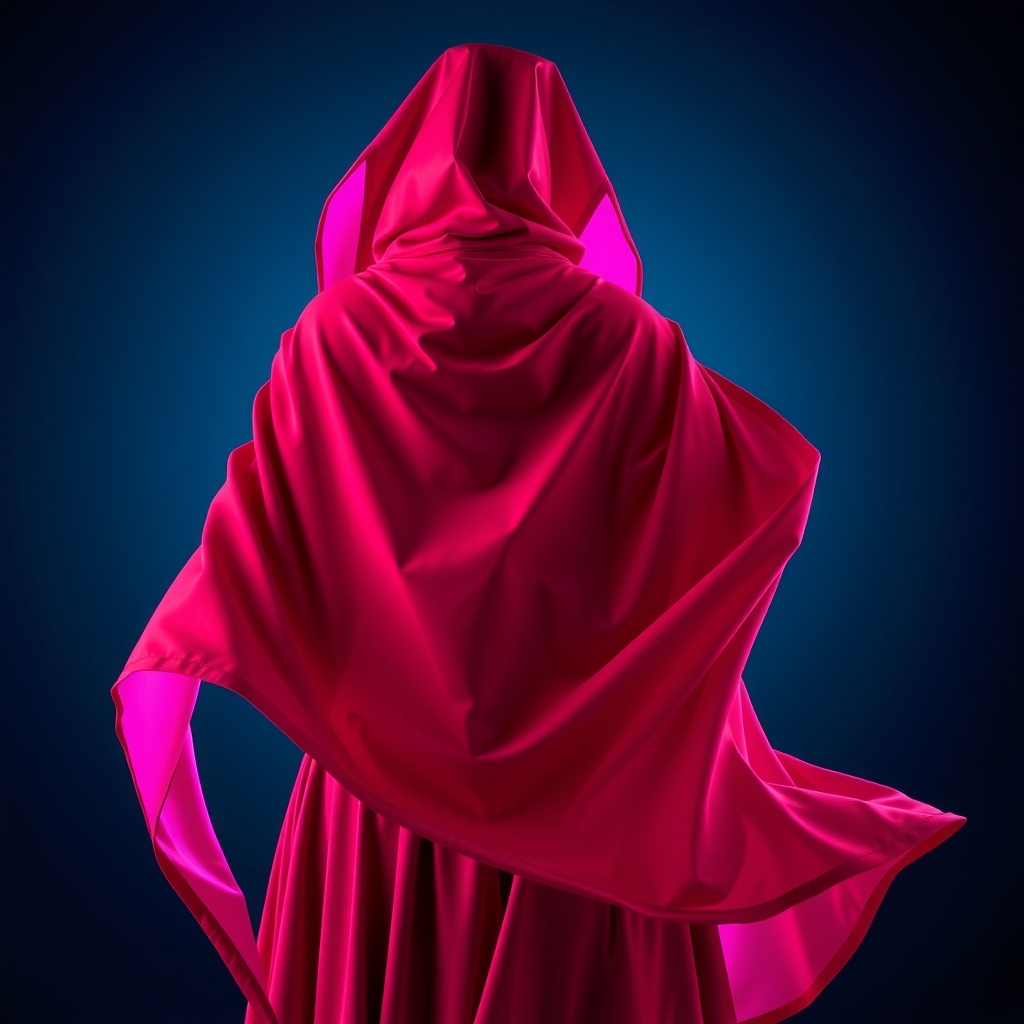
Creating a realistic cosplay cape that flows naturally can be a challenging task, but with the right techniques and materials, you can achieve a stunning effect. Fabric draping is an essential skill for any cosplayer or costume designer looking to add a touch of drama and elegance to their creations. In this guide, we'll walk you through the step-by-step process of mastering fabric draping to create breathtaking cosplay cape flowing effects.
Choosing the Right Fabric
The type of fabric you choose is crucial for achieving a realistic flowing effect. Look for lightweight, fluid fabrics that drape well, such as:
- Silk or satin for a smooth, luxurious look
- Cotton or linen for a more rustic, textured appearance
- Organza or tulle for a light, airy effect
Consider the character's personality, costume design, and the occasion when selecting the fabric. For example, a superhero cape might require a more durable, structured fabric, while a fantasy character's cape might call for a flowy, ethereal material.
Preparing Your Fabric
Before you start draping, it's essential to prepare your fabric. Wash and dry it to remove any wrinkles or finishes that might affect the draping process. Iron the fabric to create a smooth surface, and consider applying a stabilizing material, such as interfacing or a spray starch, to help maintain the fabric's shape.
Creating a Pattern and Base Structure
To achieve a realistic flowing effect, you'll need to create a pattern and base structure for your cape. You can use a pre-made pattern or create your own using:
- Measurements: Take your own measurements or those of the person wearing the cape to ensure a comfortable, flattering fit.
- Sketching: Draw a rough sketch of the cape's design, considering the character's pose, movement, and overall aesthetic.
- Mockups: Create a mockup using a cheap, disposable fabric to test the pattern and make adjustments as needed.
Use a sturdy material, such as cardboard or foam board, to create a base structure that will support the fabric and maintain its shape.
Draping Techniques
Now it's time to start draping your fabric. Use the following techniques to achieve a realistic flowing effect:
- Layering: Layer multiple pieces of fabric to create a rich, textured look.
- Gathering: Gather the fabric at the neckline or edges to create a smooth, flowing curve.
- Twisting: Twist the fabric to create a dynamic, spiral effect.
- Pinning: Use pins to secure the fabric in place, working from the center outwards to maintain symmetry.
Adding Realistic Movement
To create a truly realistic flowing effect, you need to capture the movement and flow of the fabric. Use the following techniques to add movement to your cape:
- Weight: Add weights, such as beads or small stones, to the hem of the cape to create a natural flow.
- Stiffening: Use a stiffening material, such as wire or a spray starch, to maintain the fabric's shape and create a more dramatic effect.
- Layering: Layer multiple pieces of fabric to create a sense of movement and flow.
Finishing Touches
Once you've completed your cape, add the finishing touches to create a truly show-stopping effect. Use:
- Embellishments: Add embellishments, such as brooches, clasps, or trim, to create a decorative edge.
- Finishing techniques: Use finishing techniques, such as sewing or hot glue, to secure the fabric in place.
- Adjustments: Make any final adjustments to the fit and flow of the cape.
With these techniques and a little practice, you'll be able to create stunning, realistic cosplay capes that flow naturally and elevate your costume game. Happy crafting!