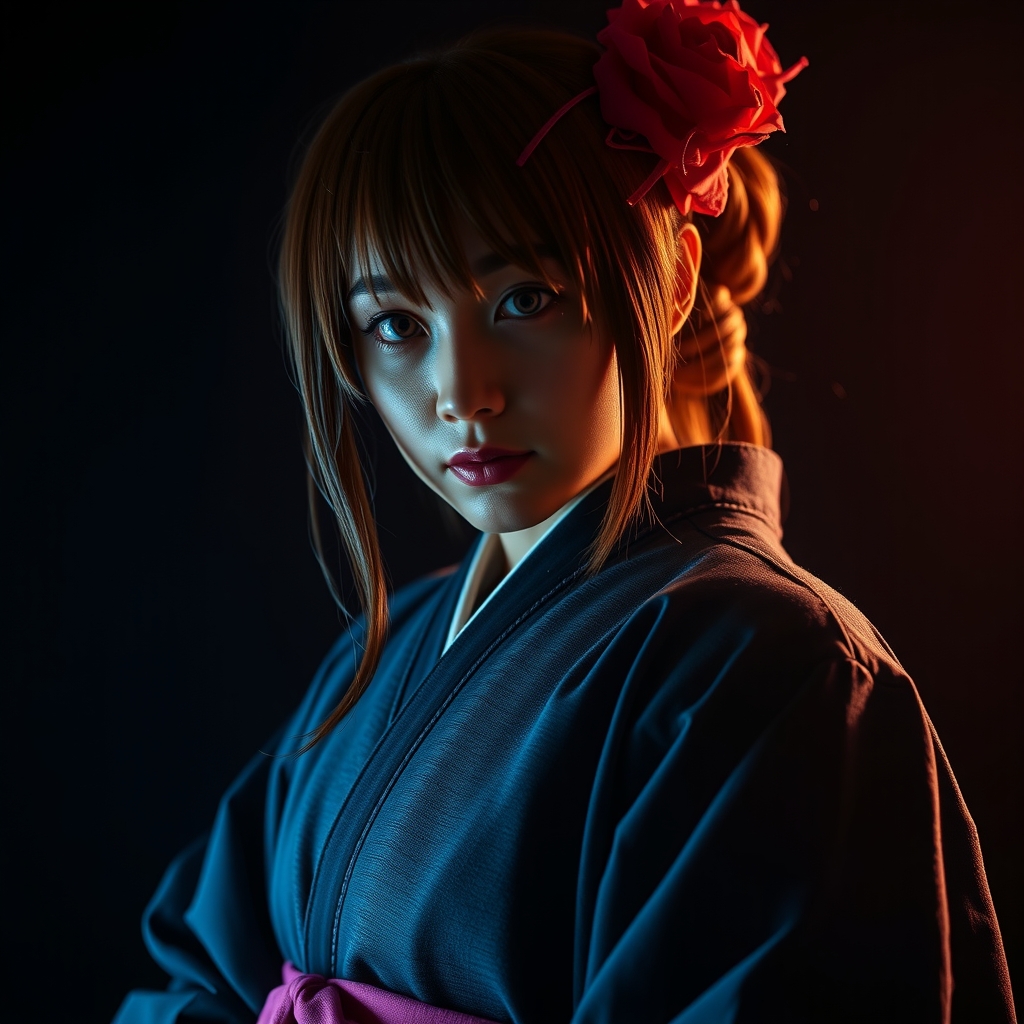

Introduction to Tanjiro's Haori
Tanjiro Kamado's haori jacket is an iconic part of his Demon Slayer outfit, symbolizing his connection to his family and his journey as a demon slayer. The haori is a traditional Japanese jacket that has been adapted and modified to fit Tanjiro's unique character design. In this guide, we'll explore the techniques and materials needed to create an authentic-looking haori using kimono fabric and obi methods.
Choosing the Right Fabric
Traditional kimono fabric, known as ori or kyo fabric, is the ideal choice for creating Tanjiro's haori. This type of fabric is characterized by its vibrant colors, intricate patterns, and high-quality materials. You can find kimono fabric at specialty stores or online marketplaces that sell Japanese textiles. When selecting a fabric, consider the weight, texture, and pattern repeat, as these will affect the overall look and feel of your haori.
- Look for fabrics with a medium to heavy weight, as they will provide a more authentic drape and texture.
- Consider fabrics with a subtle pattern repeat, as they will be easier to work with and will create a more cohesive look.
- Choose fabrics with a soft, smooth texture, as they will be more comfortable to wear and will reduce fraying.
Understanding Obi Techniques
Obi is a type of Japanese sash or belt that is traditionally worn with kimonos. To create Tanjiro's haori, we'll be using obi techniques to add a decorative border to the jacket's sleeves and hem. There are several types of obi techniques, but for this project, we'll be focusing on the katabira and obi-ori methods.
Katabira Technique
The katabira technique involves folding and sewing a strip of fabric to create a decorative border. This method is ideal for creating the haori's sleeve and hem borders.
- Cut a strip of fabric to the desired width and length.
- Fold the fabric in half lengthwise, right sides together, and sew along the edge.
- Turn the fabric right side out and press.
- Fold the fabric in half again, creating a crisp crease, and sew in place.
Obi-Ori Technique
The obi-ori technique involves folding and twisting a strip of fabric to create a decorative cord. This method is ideal for creating the haori's shoulder and neckline borders.
- Cut a strip of fabric to the desired width and length.
- Fold the fabric in half lengthwise, right sides together, and sew along the edge.
- Twist the fabric to create a cord-like texture.
- Sew the cord in place, using a whipstitch or a blind stitch.
Constructing the Haori
With your fabric and obi techniques ready, it's time to construct the haori. You can use a pattern or create your own design, taking inspiration from Tanjiro's iconic jacket.
- Use a lightweight interfacing or stabilizer to support the fabric and prevent stretching.
- Construct the jacket using a simple pattern, such as a rectangle or a kimono-inspired design.
- Add the obi borders to the sleeves, hem, and neckline using the katabira and obi-ori techniques.
Finishing Touches
To complete your haori, add any final details, such as buttons, embroidery, or appliques. You can also add a lining to the jacket for a more finished look.
- Use traditional Japanese closures, such as kanawa or yonagake, for an authentic look.
- Add embroidery or appliques to the jacket's sleeves and hem, using traditional Japanese motifs.
- Line the jacket with a lightweight fabric, such as cotton or silk, for a professional finish.
Conclusion
Creating Tanjiro's haori jacket is a fun and rewarding project that requires patience, skill, and attention to detail. By using traditional kimono fabric and obi techniques, you can create an authentic-looking haori that will make your Demon Slayer cosplay stand out. With practice and dedication, you can master the techniques needed to create this iconic jacket and take your cosplay to the next level.