Introduction to Harajuku Fashion
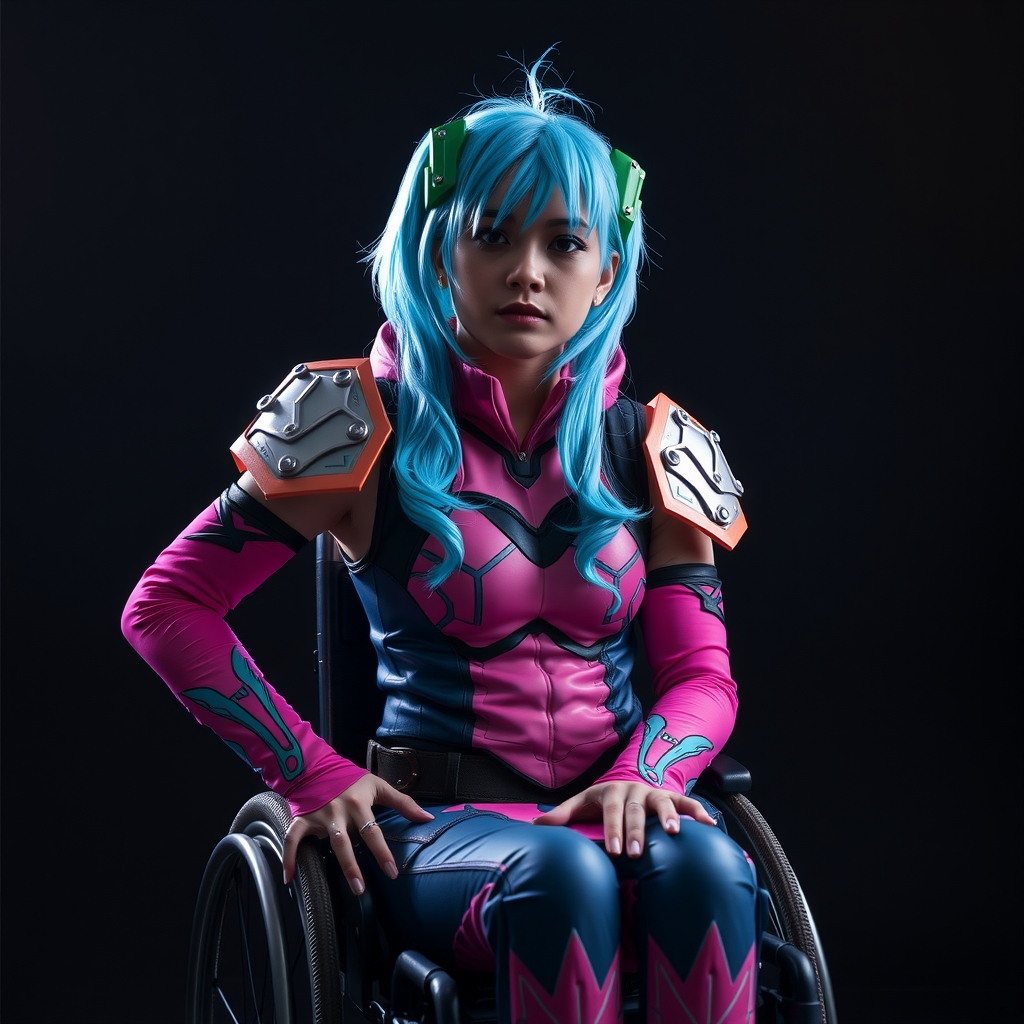
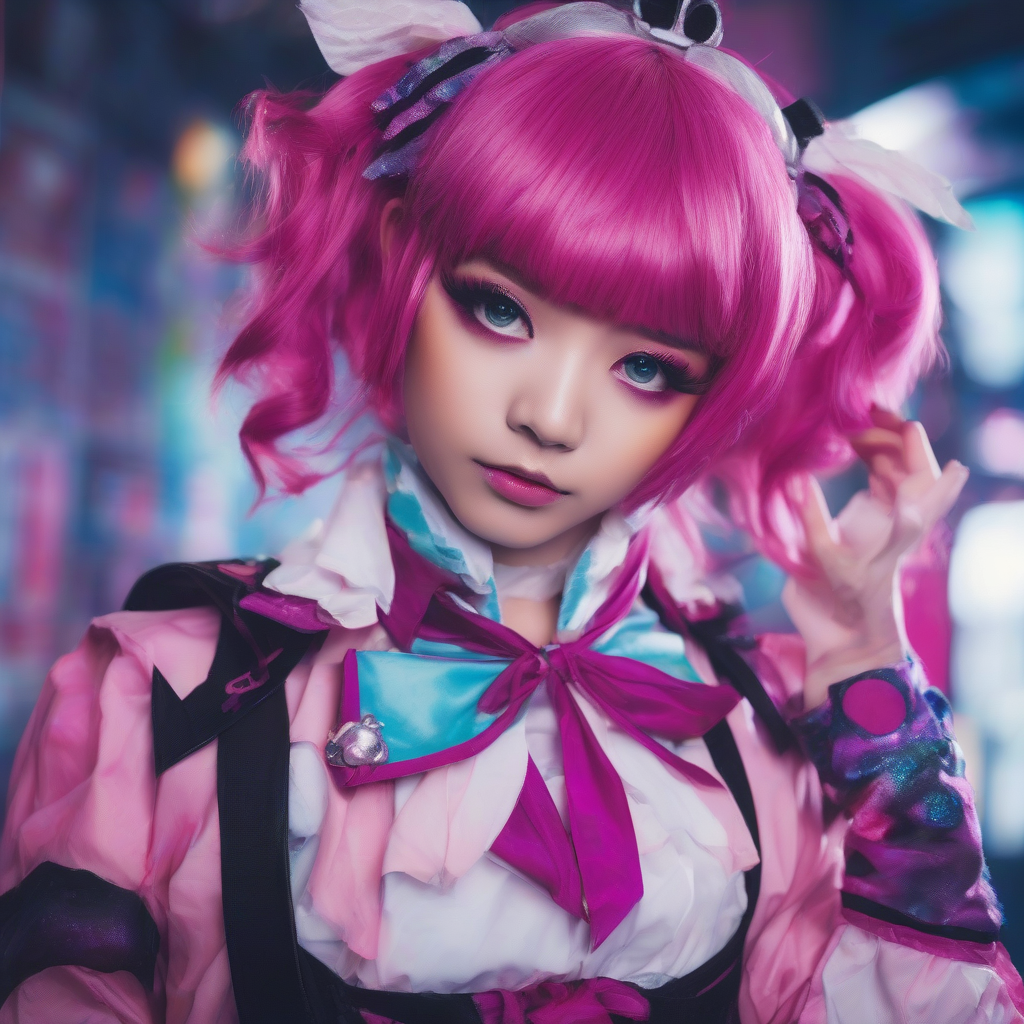
Harajuku, a district in Tokyo, Japan, is renowned for its unique and eclectic street fashion. The area is a hub for self-expression, where individuals showcase their creativity and individuality through bold and colorful clothing. As a cosplayer, incorporating Harajuku-inspired elements into your costume can add an extra layer of depth and visual interest. In this guide, we'll explore the techniques and materials needed to create stunning Harajuku-inspired outfits using fabric paint and appliqué.
Understanding Harajuku Style
Harajuku fashion is characterized by its bold, playful, and often avant-garde aesthetic. It encompasses a wide range of styles, from kawaii (cute) to edgy and experimental. To create a Harajuku-inspired cosplay outfit, it's essential to understand the core elements of this fashion movement. Some key features include:
- Vibrant colors and bold patterns
- Mix-and-match of different textures and fabrics
- Emphasis on statement pieces, such as oversized accessories or eye-catching graphics
- Blending of traditional and modern elements
Choosing the Right Materials
When working with fabric paint and appliqué, selecting the right materials is crucial. For a Harajuku-inspired look, consider using:
- Lightweight fabrics, such as cotton, polyester, or silk
- Brightly colored or white fabric as a base for painting or appliqué
- Interfacing or stabilizer for added support and durability
Working with Fabric Paint
Fabric paint is an excellent way to add bold, vibrant colors and designs to your cosplay outfit. Here are some tips for working with fabric paint:
Preparation is key: Make sure your fabric is clean and dry before painting. If using a new fabric, wash and dry it to remove any finishes that may affect paint adhesion.
Choose the right paint: Select fabric paints specifically designed for the type of fabric you're working with. Some popular brands offer a range of vibrant colors and finishes.
Design and plan: Sketch out your design on paper or use a digital tool to visualize your idea. Consider the size, shape, and placement of your design on the fabric.
Apply paint: Use a brush, sponge, or stencil to apply paint to your fabric. Experiment with different techniques, such as layering or blending colors, to achieve unique effects.
Mastering Appliqué Techniques
Appliqué is a versatile technique that involves applying fabric shapes or designs onto a larger fabric surface. Here are some steps to master appliqué:
Design and cut out shapes: Use a template or draw your design directly onto the fabric. Cut out the shapes carefully, using scissors or a craft knife.
Prepare the base fabric: Iron and smooth out the base fabric to ensure it's wrinkle-free.
Apply appliqué: Use a needle and thread, or a hot fix applicator, to secure the fabric shapes onto the base fabric. Experiment with different placement and arrangement techniques.
Adding Embellishments and Details
To take your Harajuku-inspired cosplay outfit to the next level, consider adding embellishments and details, such as:
- Sequins, beads, or rhinestones for added sparkle
- Ribbons, lace, or trim for texture and interest
- Stencils or stamps for creating patterns or designs
Conclusion and Tips for Success
Creating a Harajuku-inspired cosplay outfit using fabric paint and appliqué requires patience, creativity, and practice. Here are some final tips for success:
Experiment and have fun: Don't be afraid to try new techniques or make mistakes. Harajuku fashion is all about self-expression and creativity.
Pay attention to detail: Take your time and focus on the small details that make a big impact.
Reference and research: Study Harajuku fashion and gather inspiration from various sources, including magazines, blogs, and social media.